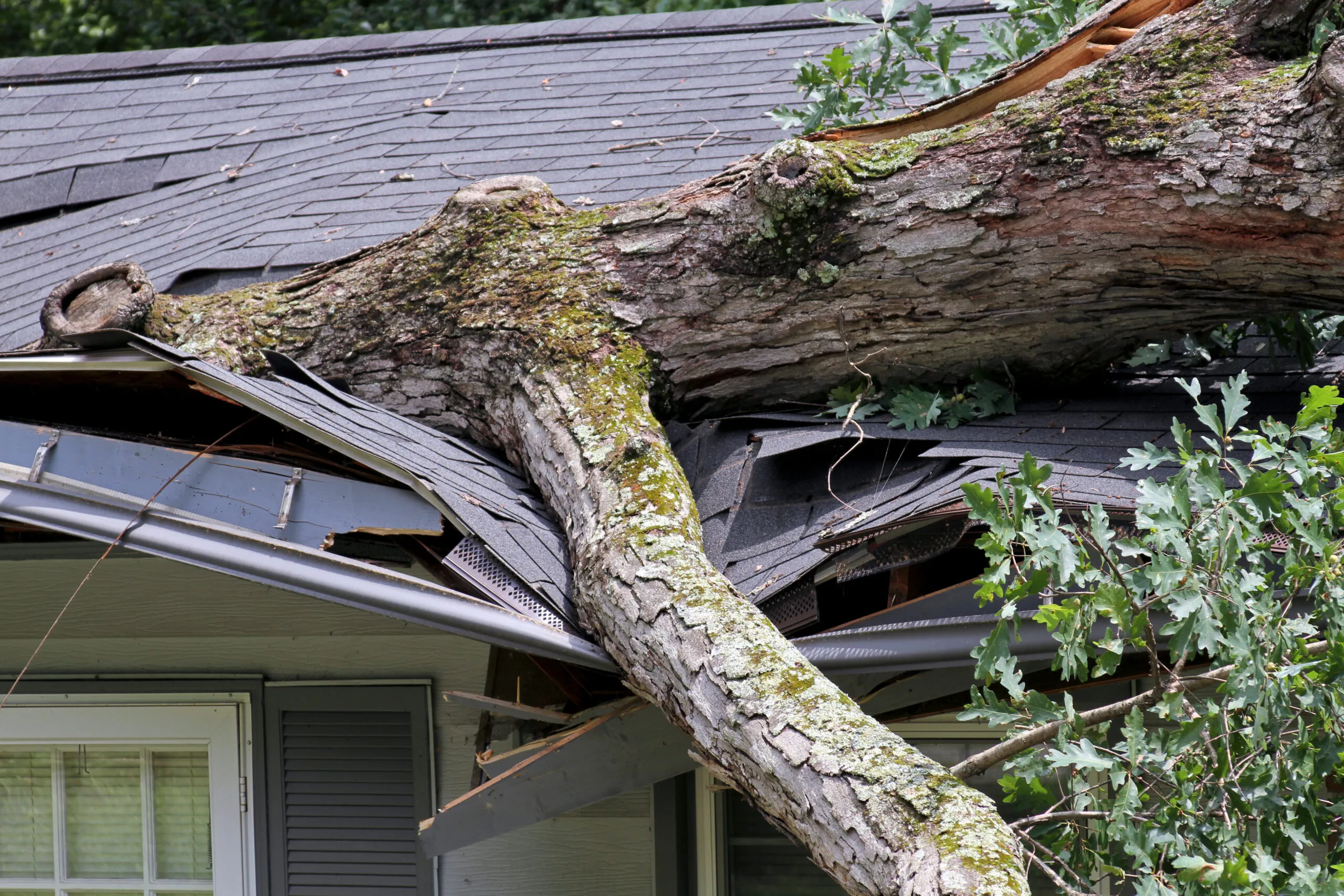
Understanding Insurance Perils: A Complete Guide
Understanding Insurance Perils: A Complete Guide
In insurance, a peril is the cause of loss or damage covered by a policy. Examples of perils include fire, theft, hail, and vandalism.Insurance perils are specific risks or events that can cause damage to your property or belongings. When you purchase insurance, the policy outlines which perils are covered and which ones aren't. Understanding these perils helps you make informed decisions about your coverage and ensures you're protected against the most common threats to your property. In this guide, you'll learn about different types of perils, how they affect your insurance coverage, and how to choose the right protection for your needs.
What Is An Insurance Peril?
A peril is any event that can cause damage or loss to your insured property. Common examples include fire, lightning, windstorms, and theft. Insurance companies use perils to determine what they will and won’t cover under your policy. Unlike general risks, perils are specific events that can trigger an insurance claim. Understanding the difference between perils and risks is essential because perils are the actual events that cause losses, while risks represent the possibility of those events occurring.
Types of Insurance Perils
Insurance perils fall into three main categories: named perils, open perils, and excluded perils. Each type affects your coverage differently and understanding these distinctions helps you choose the right home or auto insurance policy for your needs.
Named Perils
Named perils policies specifically list every covered event in your insurance contract. These policies typically cover basic risks such as fire, lightning, and windstorms. When you file a claim under a named perils policy, you must prove the damage resulted from one of the listed perils. This type of coverage is often less expensive than open perils policies because it limits the insurer’s liability to specific events.
Open Perils
Open perils coverage, also called all-risk coverage, protects against all events except those specifically excluded in the policy. This broader coverage puts the burden of proof on the insurance company to show that an excluded peril caused the damage. Open perils policies generally offer more comprehensive protection but cost more than named perils coverage.
Excluded Perils
Excluded perils are events that your insurance policy won’t cover. Common exclusions include floods, earthquakes, and wear and tear. Insurance companies exclude these perils because they’re either too risky to insure or require separate coverage. Understanding your policy’s exclusions helps you identify gaps in your coverage and decide whether you need additional insurance.
Common Insurance Perils Explained
Your insurance policy protects against various perils that can damage your property. Here are the most frequent causes of insurance claims and how they affect your coverage.
Fire and Smoke Damage
Fire and smoke damage are among the most destructive perils covered by standard insurance policies. This coverage includes damage from both accidental fires and wildfires. Your policy typically covers the cost of repairs, temporary housing, and smoke damage cleanup. However, some policies might limit coverage for fires caused by specific circumstances, such as arson.
Water Damage
Water damage coverage varies significantly between policies. Most standard policies cover sudden and accidental water damage from burst pipes or appliance malfunctions. However, they usually exclude flood damage and gradual leaks. Understanding these distinctions helps you determine whether you need additional water damage coverage.
Theft and Vandalism
Insurance policies generally cover losses from theft and vandalism. This protection includes stolen items and damage caused during a break-in. Your policy might also cover additional living expenses if your home becomes uninhabitable after vandalism. Remember to document your belongings and keep receipts to make the claims process smoother.
Natural Disasters
Coverage for natural disasters depends on your location and policy type. Most policies cover damage from windstorms, hail, and lightning. However, they often exclude earthquakes, floods, and hurricanes. You might need separate policies or endorsements to protect against these specific natural disasters.
Vehicle Impact
Vehicle impact coverage protects against damage when a car or other vehicle crashes into your property. This protection typically includes both the structure and any damaged contents. The coverage applies whether the vehicle belongs to you or someone else.
How Insurance Policies Handle Different Perils
Insurance companies approach perils differently depending on the policy type and coverage level. Understanding these approaches helps you choose the right protection for your needs.
Standard Coverage Options
Standard insurance policies typically cover the most common perils. These policies usually include protection against fire, theft, and certain weather-related damages. Coverage limits and deductibles vary by policy, so review these details carefully when choosing insurance.
Special Endorsements
Special endorsements add coverage for perils excluded from standard policies. These additions protect against specific risks such as floods or earthquakes. While endorsements increase your premium, they provide valuable protection against otherwise uncovered perils.
Coverage Limitations
Insurance policies often include limitations on certain perils. These restrictions might cap payment amounts or exclude specific circumstances. Understanding these limitations helps you identify potential gaps in your coverage and decide whether you need additional protection.
The Difference Between Perils and Hazards
Understanding how perils and hazards differ helps you better assess your insurance needs and manage risks effectively.
Defining Insurance Hazards
Insurance hazards are conditions that increase the likelihood or severity of a loss. These conditions might be physical, such as faulty wiring, or moral, such as negligent behavior. Identifying and addressing hazards can help reduce your risk of experiencing a covered peril.
How Hazards Influence Perils
Hazards directly affect the probability of perils occurring. For example, storing flammable materials improperly increases the risk of fire damage. Insurance companies consider these relationships when determining coverage and premiums.
Risk Assessment Strategies
Effective risk assessment involves identifying potential hazards and evaluating their impact on covered perils. Regular property maintenance and safety measures can help reduce your risk exposure and potentially lower your insurance costs.
Choosing the Right Peril Coverage
Selecting appropriate peril coverage requires careful consideration of your property’s risks and your financial situation.
Evaluating Your Needs
Consider your property’s location, value, and unique risks when choosing coverage. Factor in local weather patterns, crime rates, and other regional risks that might affect your property.
Cost Considerations
Insurance costs vary based on coverage types and levels. Compare different policies’ premiums, deductibles, and coverage limits to find the best value for your needs.
Policy Comparison Tips
When comparing policies, look beyond the premium to examine covered perils, exclusions, and limitations. Consider bundling policies or adding endorsements to create comprehensive coverage at a reasonable cost.
Our Conclusion
Understanding insurance perils is essential for protecting your property and financial well-being. By knowing which perils are covered, excluded, or require additional coverage, you can make informed decisions about your insurance needs.
Whether you choose a named perils or open perils policy depends on your risk tolerance and budget. Remember to review your coverage regularly and adjust it as your needs change to ensure you maintain adequate protection against potential losses.