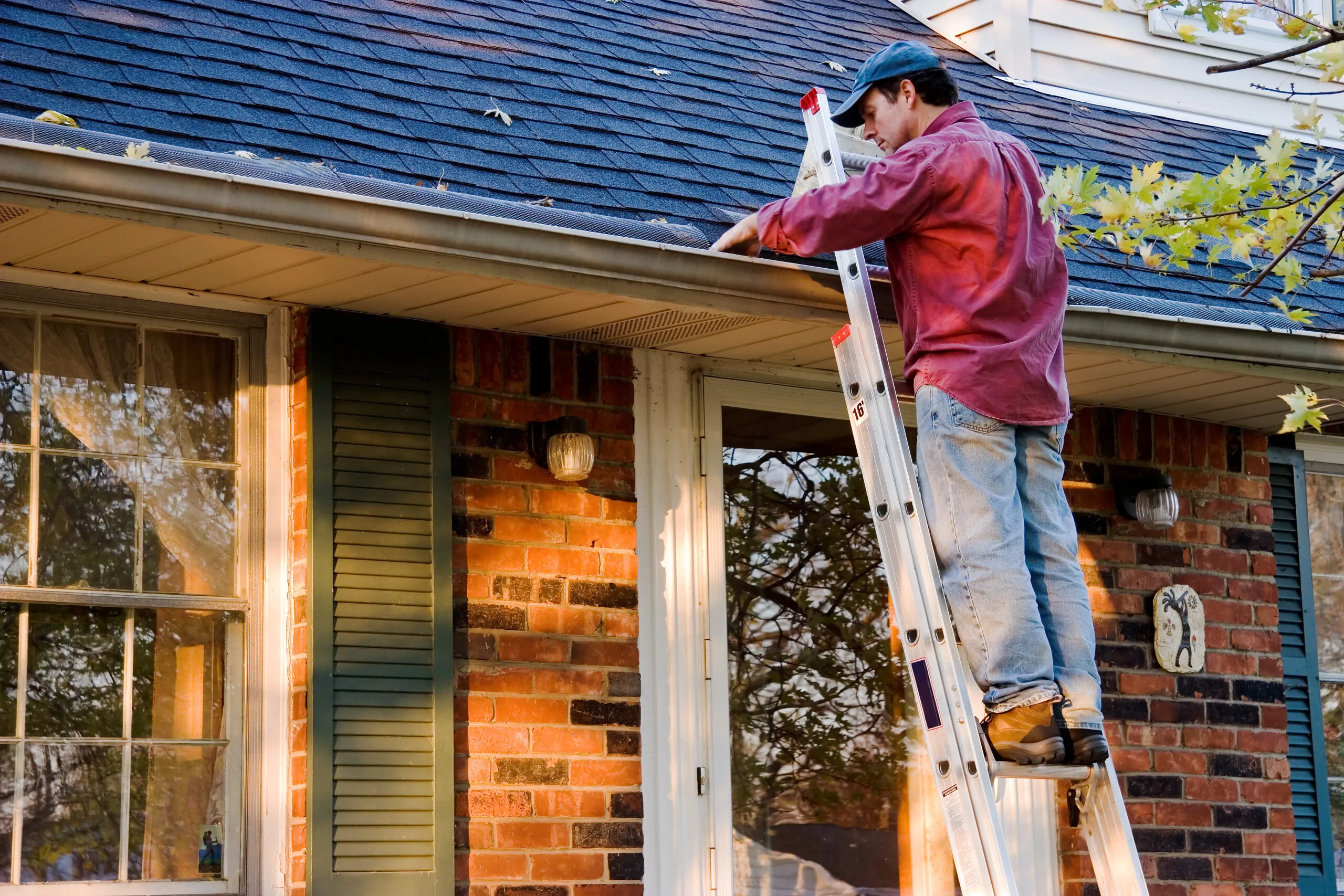
Skipping Maintenance & Insurance Risk
Skipping Maintenance & Insurance Risk
As the cost of home maintenance increases, homeowners attempt to balance expensive yet vital home repairs with the risk of losing critical insurance coverage.The rising costs of living and corresponding tightening of household budgets often pressure homeowners to put critical home maintenance on the back burner, a slippery slope that can put more than the home’s structural integrity at risk. More than two-thirds (71%) of homeowners postponed home renovations or repairs due to economic uncertainty in 2025, with the average homeowner delaying needed repairs for over eight months. However, increasing the time between identifying and addressing necessary home repairs can compound the underlying issue, lead to higher expenses, and jeopardize home insurance coverage due to perceived negligence.
Key Findings
- Home issues resulting from delayed maintenance could void your insurance coverage: homeowners insurance coverage excludes long-term neglect and normal wear and tear.
- The condition of their home was the most common reason people (34%) reported being dropped from their insurance coverage.
- Over half of homeowners (57%) are unsure exactly what their policy covers, leaving them vulnerable to costly surprises when they need to file a claim.
- Nearly one in four homeowners avoid filing insurance claims because they’re worried the condition of their home could trigger an inspection or result in denial.
- Insurance companies now use drones and other imaging technology to monitor whether or not your property is being maintained, which can impact your coverage.
- Losses for roofs in moderate to poor-condition are 60% higher than roofs in excellent-condition.
- Keeping detailed records of maintenance, repairs, and inspections while using licensed professionals for major work helps ensure your insurance remains valid when you need to file a claim.
How Delaying Repairs Affects Your Insurance
Nearly half (49%) of homeowners we surveyed said delays in maintenance may have compromised their home’s safety in 2025. It’s common for homeowners to delay maintenance due to several factors, including rising costs, a lack of time, and uncertainty. However, addressing repairs promptly isn’t just about maintaining a safe home—it also has implications for how much you pay annually in homeowners insurance premiums, and whether or not you’ll get your full claim payout.
Home insurance is meant to cover sudden, unexpected damage, not long-term neglect or normal wear and tear: “If something happens suddenly, it’s almost always covered,” says Theodore (Ted) Patestos, CEO and Founder of Tiger Adjusters. Yet, over half of homeowners (57%) are unsure exactly what their policy covers or does not cover, according to our survey, putting them and their homes at risk of coverage gaps or insufficient coverage, especially given the rising costs of repairs.
If left unaddressed, small issues—such as a minor roof leak or outdated gutters—can escalate into major damage that insurance won’t cover. In addition, home insurance companies often fall back on wear and tear exclusions and anti-concurrent contract language to deny claimed losses. Cited exclusions frequently include damage to the home prior to the policy’s effective date, improper installation, defective components from the manufacturing process, and a lack of proper maintenance.
Insurance companies have also taken a proactive approach by using the latest technology—including drones—to assess properties and inform their corresponding policies. While insurance companies may provide homeowners with advanced notice of an aerial inspection, individual surveillance practices may vary. Concerned homeowners can inquire if their insurance provider uses this technique and how it impacts their policy.
What is Negligence in a Home Insurance Policy?
Negligence involves you, someone covered by your policy, or another person having knowledge or awareness of a safety threat that causes a loss or damage and failing to take reasonable action. Varying levels of negligence exist, from common forgetfulness to intentional recklessness, otherwise known as gross negligence. Examples of negligence include:
- Failing to activate your home security system before you leave the house
- Knowing your roof leaks but failing to have it repaired promptly
- Causing a fire after leaving candles burning unattended in your home
- Refusing to install a sump pump, even after your basement’s flooded multiple times
“Failure to perform routine upkeep could lead to reduced or denied coverage if it contributes to damage,” says Jianren Xu, associate professor at the University of North Texas. The applicable amount of partial coverage depends on your level of negligence displayed prior to the loss, as assessed by your insurance company. “If your lack of maintenance results in an insurance claim that wouldn’t have ended up being made if you had maintained your property, the fault is your own, not the insurance company,” says Melanie Musson, insurance and finance expert with Clearsurance.com.
Reference your policy details to determine how your insurance carrier defines negligence and corresponding coverage levels. “In short, insurance companies cover emergencies, but they expect homeowners to stay on top of their routine maintenance items to avoid preventable damage and issues,” says Natalie Boyd, adjunct professor at the University of North Texas.
What are the Most Common Home Issues Leading to Claim Denials?
Nearly one in four homeowners (23%) admit they’ve skipped filing an insurance claim due to concerns about their home’s condition triggering an inspection or, ultimately, resulting in denial of coverage according to Guardian’s homeowners survey. These worries appear to be founded, as home condition was the most common reason insurance companies gave for denying coverage or non-renewal, according to our survey. In fact, over a third (34%) of surveyed homeowners had been given this exact reason for being dropped or denied coverage.
“If you lost some shingles in a prior storm but never repaired them and you get damage in a subsequent storm like water leaking through you can be denied for not doing prior repairs. You could also be subjected to two separate deductibles even if they extend coverage because the prior damage was from a different covered loss (a separate event),” says Patestos. Below are additional real-world examples of minor problems that could potentially become insurance nightmares:
- Leaky roofs that lead to water damage or mold
- Clogged gutters that cause foundation issues
- Overgrown trees damaging siding or roof during storms
- Cracked foundations and aging plumbing that result in preventable flooding
Should homeowners submit a claim based on these losses, insurance companies may evaluate the resulting damage as caused by owner negligence or due to wear and tear. Neither type of exclusion is covered by a standard home insurance policy. “Delayed maintenance can, in effect, void coverage for certain claims,” says Xu.
What Home Repairs Will Help Keep My Insurance Affordable?
While the consequences of falling behind on home maintenance can be steep, homeowners can mitigate the risk of home insurance claims or coverage denials by maintaining the following systems. “Homeowners should monitor for signs of slab movement, ensure roof shingles are intact after hailstorms, and insulate or drip pipes ahead of winter freezes. These areas are not only prone to damage but also scrutinized by insurers during claim evaluations,” says Xu.
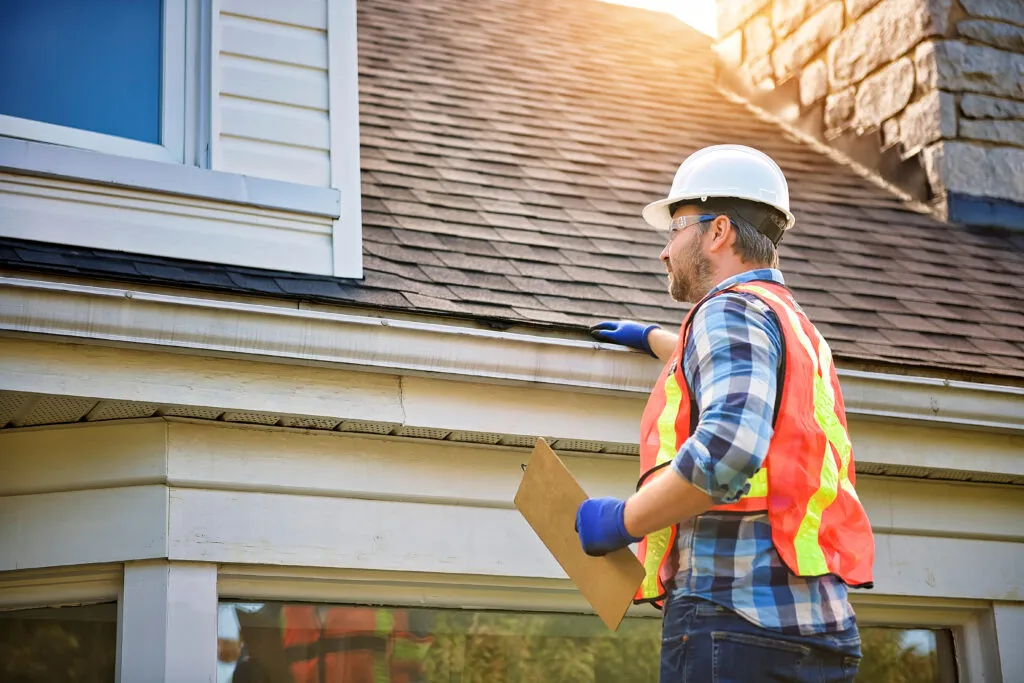
Credit: Adobe – Royalty Free
Roof
Since roofs with moderate to poor conditions have a 60% higher lost costs than those in good condition, maintaining your home’s roof is essential to protecting your home insurance coverage. The bulk of roof damage stems from severe convective storms (hail, thunderstorms, tornadoes, and straight-line winds), which were responsible for $60 billion in total losses in 2024, the second-highest on record, according to Aon. In addition to these destructive storms, inflation and fraud also contribute to the rise in costly, frequent roof claims, according to the National Insurance Crime Bureau (NICB), spurring insurance companies to respond by:
- Paying only the actual cash value of depreciated roofs nearing 10-15 years of age
- Requiring higher deductibles to offset costs to homeowners first
- Offering discounts for hail-rated roofs
- Increasing premiums for roofs that are not hail-rated
Insurers in states that have adopted the Fortified Roof Standard—such as North Carolina—also offer incentives to homeowners who build or upgrade their homes’ roofs to this standard. Homeowners can also reduce their risk of roof-related claim denials by maintaining their roofs throughout the year:
- Routinely inspect the attic for leaks
- Ensure roof shingles lie flat and no shingles are missing
- Inspect the flashing, especially around the chimney
- Remove any debris from the roof’s surface
Plumbing
Leaks are the most common source of water damage associated with your home’s plumbing. Prevent extensive damage by routinely inspecting sinks, tubs, toilets, and showers and completing the following plumbing maintenance:
- Flush your water heater to prevent sediment buildup
- Clear clogged pipes
- Ensure pipes exposed to the elements are insulated properly
- Flush drains periodically with hot water, baking soda, and vinegar
Electrical
“Long-term maintenance issues include things like a slowly leaking roof, deteriorating plumbing, or worn-out electrical systems and are considered to be the homeowner’s responsibility,” says Boyd. Smart use of extension cords and outlet multipliers can help homeowners avoid starting a fire. Test ground fault circuit interrupter (GFCI) devices every month to ensure they function properly. If you need to repair or replace an outlet but feel uneasy about completing the work yourself, hire a licensed and certified electrician.
HVAC
Homeowners can also call upon an HVAC specialist to ensure their homes’ heating and cooling systems function properly. Technicians can clean the entire ductwork system, inspect your furnace, air conditioning unit, and vents, and replace any filters throughout. Scheduling HVAC inspections every six months can help prepare your home for warmer and cooler months, but annual inspections should suffice.
Gutters and Drainage
Clearing gutters and downspouts of debris that can easily impede water flow significantly reduces the risk of ice dams. These frozen blocks of ice prohibit snow from melting off your roof and cause water to pool on the shingles, promoting roof leaks and water damage.
Trees and Landscaping
Winterizing your sprinklers before temperatures drop and dewinterizing them as the mercury rises helps minimize the risk of burst landscaping pipes. Trimming smaller tree branches close to your home and removing any dead growth mitigates the risk of roof issues, broken windows, and damaged fences. For more extensive tree removal, seek out a licensed arborist.
How to Protect Your Home and Insurance
Educating yourself about home insurance can help unlock critical insights regarding coverage, discounts, filing a claim—and even ways to lower your premium by proactively protecting your home from damage. Nearly three in four homeowners (71%) reported that no one informed them that upgrades could lower their home insurance premiums, according to our survey. Below are effective ways you can protect not only your home but also your insurance coverage.
Document Everything
“The main way that homeowners can protect their insurance claims is by making sure to document all repairs and maintenance as thoroughly as possible while they live in the home,” says Boyd. Save receipts, take photos, and keep repair logs to ensure your home insurance policy reflects your latest upgrades and home value. “Digital documentation, including timestamps, adds credibility,” says Xu.
Stick to a Maintenance Schedule
Arrange for key home maintenance and care throughout the year, whether you complete the work yourself or hire a specialist. “It is important to maintain a log of all maintenance and repairs, including dates, descriptions of the work done, the company used, and the reason for the service,” says Boyd.
Hire a Professional for Major Repairs
Address any issues promptly to prevent further damage. “If evidence shows the homeowner failed to take reasonable steps to maintain the property or address known problems, the damage may be considered avoidable and not covered,” says Xu. Experienced and certified technicians can ensure major repairs are completed successfully and in compliance with any applicable building codes.
Review Your Policy
Speak with your insurance company or agent to discuss your policy details, any exclusions, and other gray areas. Reviewing your home insurance policy annually helps ensure you maintain sufficient coverage on your home at the best rate.
If you’re a North Carolina resident and curious about comparing rates but don’t have the time to slog through quotes, call Guardian Service at (844) 910-4158 to speak with a licensed, zero-commission agent who can connect you with the right protection at the right price. We’ll help you understand your coverage, find the best rate among more than 30 insurance carriers, and keep you updated on any savings alerts you qualify for.