Understanding Umbrella Insurance: A Complete Guide
Understanding Umbrella Insurance: A Complete Guide
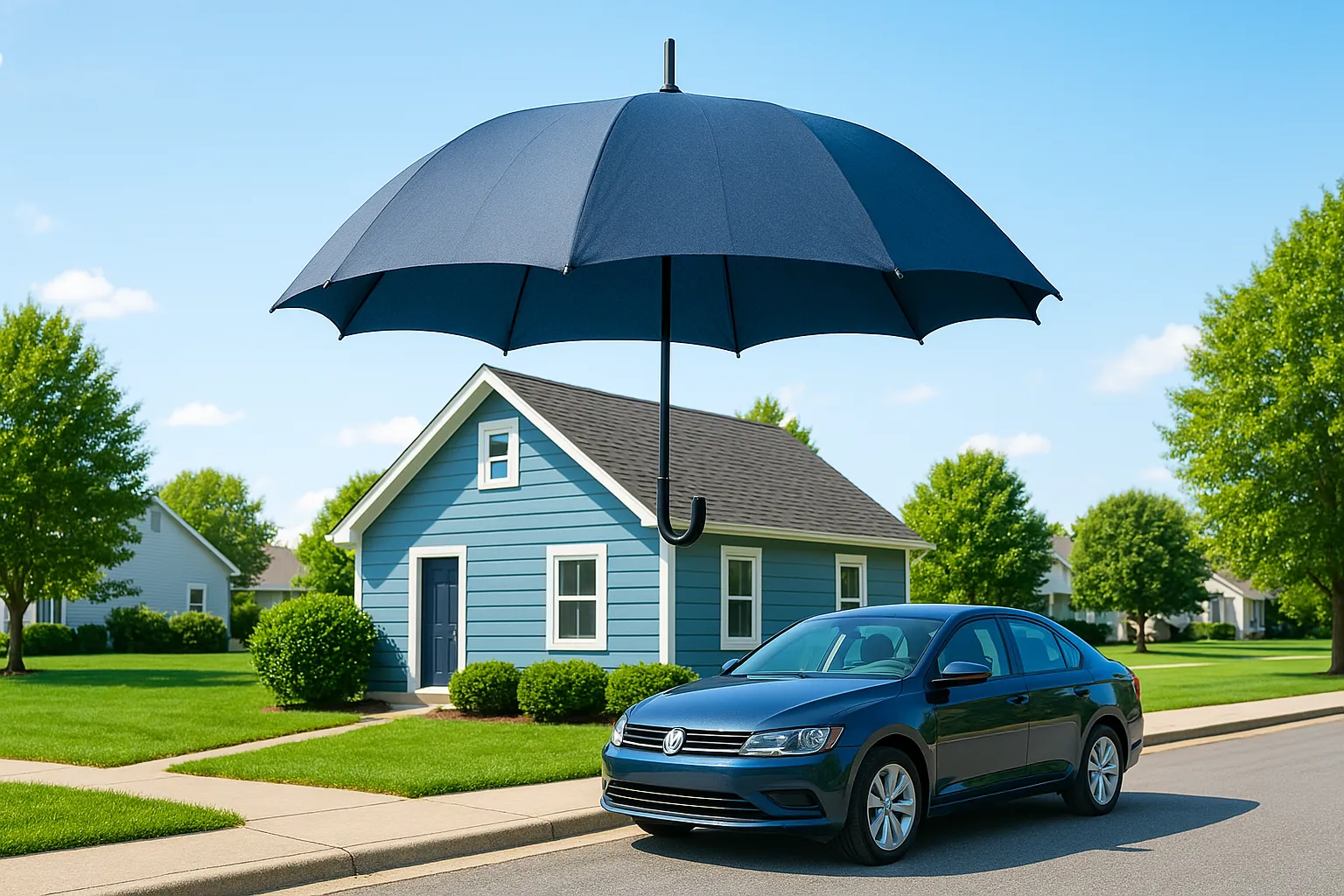
Discover how an umbrella policy provides extra liability coverage and protects your assets beyond standard insurance limits.An umbrella insurance policy provides extra liability coverage beyond your standard home and auto insurance policies. This additional layer of protection safeguards your assets and future earnings when faced with significant liability claims or lawsuits. Whether you’re a homeowner, business owner, or someone with substantial assets, umbrella insurance offers peace of mind by extending your coverage limits well beyond basic insurance policies.
What Is An Umbrella Insurance Policy?
An umbrella policy serves as supplemental insurance that protects you from large liability claims when your standard insurance coverage reaches its limits. This type of insurance acts as a safety net for your financial well-being.
How Umbrella Coverage Works
Umbrella coverage begins where your primary insurance policies end. For example, if you have an auto insurance policy with $300,000 in liability coverage and face a $500,000 claim, your umbrella policy covers the remaining $200,000. This coverage typically starts at $1 million and can extend up to $5 million or more, depending on your needs.
Key Features of Umbrella Insurance
Umbrella insurance provides broad coverage for various situations not included in standard policies. It covers personal injury claims, property damage, and certain lawsuits. The policy also includes coverage for incidents that occur outside the United States and often provides protection for claims related to libel, slander, and defamation.
Who Needs Umbrella Insurance?
Understanding who benefits most from umbrella insurance helps you make an informed decision about your coverage needs. This extra layer of protection proves valuable for several types of individuals and property owners who face increased liability risks.
High Net Worth Individuals
People with significant assets often need umbrella insurance to protect their wealth. This includes individuals with investment portfolios, savings accounts, and valuable personal property. The coverage helps ensure that a single lawsuit doesn’t wipe out years of careful financial planning and asset accumulation.
Property Owners
Homeowners and rental property owners face unique liability risks. Accidents on your property, such as slip-and-fall incidents or pool-related injuries, can lead to expensive lawsuits. Umbrella insurance provides additional protection beyond standard homeowners insurance limits.
Business Owners
Small business owners benefit from personal umbrella coverage, especially when their business insurance has coverage gaps. This extra protection helps shield personal assets from business-related liability claims that exceed primary policy limits.
Active Lifestyle Participants
People who regularly engage in activities that could cause injury to others often need umbrella coverage. This includes boat owners, recreational vehicle enthusiasts, and those who frequently host parties or events at their homes.
Benefits of Umbrella Insurance Coverage
Umbrella insurance offers several advantages that make it a valuable addition to your insurance portfolio. The coverage provides comprehensive protection that goes beyond standard insurance policies.
Extended Liability Protection
The primary benefit of umbrella insurance is the additional liability coverage it provides. This extension helps protect you from major claims and lawsuits that could otherwise devastate your financial security. The coverage typically ranges from $1 million to $5 million, offering substantial protection against large claims.
Coverage For Multiple Properties
Umbrella policies usually cover all properties you own, including your primary residence, vacation homes, and rental properties. This comprehensive coverage eliminates the need for separate extended liability policies for each property.
Worldwide Coverage Benefits
Unlike many standard insurance policies, umbrella insurance typically provides worldwide coverage. This protection follows you whether you’re at home or traveling internationally, offering peace of mind regardless of your location.
Common Types Of Umbrella Policy Claims
Understanding common umbrella insurance claims helps you appreciate the value of this coverage. These scenarios illustrate when umbrella insurance becomes essential for protecting your assets.
Personal Injury Cases
Personal injury claims often result in significant financial settlements. These cases might involve serious accidents on your property, dog bites, or auto accidents that cause severe injuries. Umbrella insurance helps cover these potentially expensive claims.
Property Damage Incidents
Accidents that cause extensive property damage can quickly exceed standard insurance limits. Whether it’s a car accident that damages multiple vehicles or accidental damage to expensive property, umbrella insurance provides additional coverage.
Legal Defense Coverage
Umbrella policies typically include coverage for legal defense costs. This benefit proves valuable when facing lawsuits, as legal fees can quickly add up, even if you’re not found liable for damages.
How to Purchase an Umbrella Policy
Securing umbrella insurance requires careful consideration of your needs and working with reputable insurance providers. The process involves several important steps to ensure you get appropriate coverage.
Determining Coverage Amount
Calculate your coverage needs based on your total assets and potential risks. Consider your net worth, including homes, vehicles, investments, and future earnings potential. Most experts recommend coverage that at least matches your net worth.
Meeting Insurance Prerequisites
Insurance companies typically require minimum coverage amounts on your primary policies before selling umbrella insurance. Standard requirements include $250,000 in auto liability coverage and $300,000 in homeowners liability coverage.
Working With Insurance Providers
Contact several insurance providers to compare coverage options and prices. Many companies offer discounts when you bundle umbrella coverage with existing policies. Work with an agent to understand policy details and ensure you meet all requirements.
Cost Factors for Umbrella Insurance
The cost of umbrella insurance varies based on several factors. Understanding these elements helps you budget for appropriate coverage while finding the best value.
Impact Of Assets and Risk Factors
Your total assets, lifestyle, and risk factors affect premium costs. More assets typically require higher coverage limits, while high-risk activities or previous claims may increase premiums.
Ways To Save On Coverage
You can reduce umbrella insurance costs by maintaining good credit, bundling policies with one insurer, and increasing deductibles on primary policies. Some companies also offer discounts for long-term customers and claim-free records.
Our Conclusion
Umbrella insurance provides essential protection for your assets and financial future. This additional coverage offers peace of mind by extending your liability protection well beyond standard insurance policies, protecting you from potentially devastating lawsuits and claims.
While not everyone needs umbrella coverage, it's particularly valuable for property owners, high-net-worth individuals, and those with active lifestyles. The relatively modest cost of umbrella insurance compared to the substantial protection it provides makes it a wise investment for many people seeking comprehensive insurance coverage.